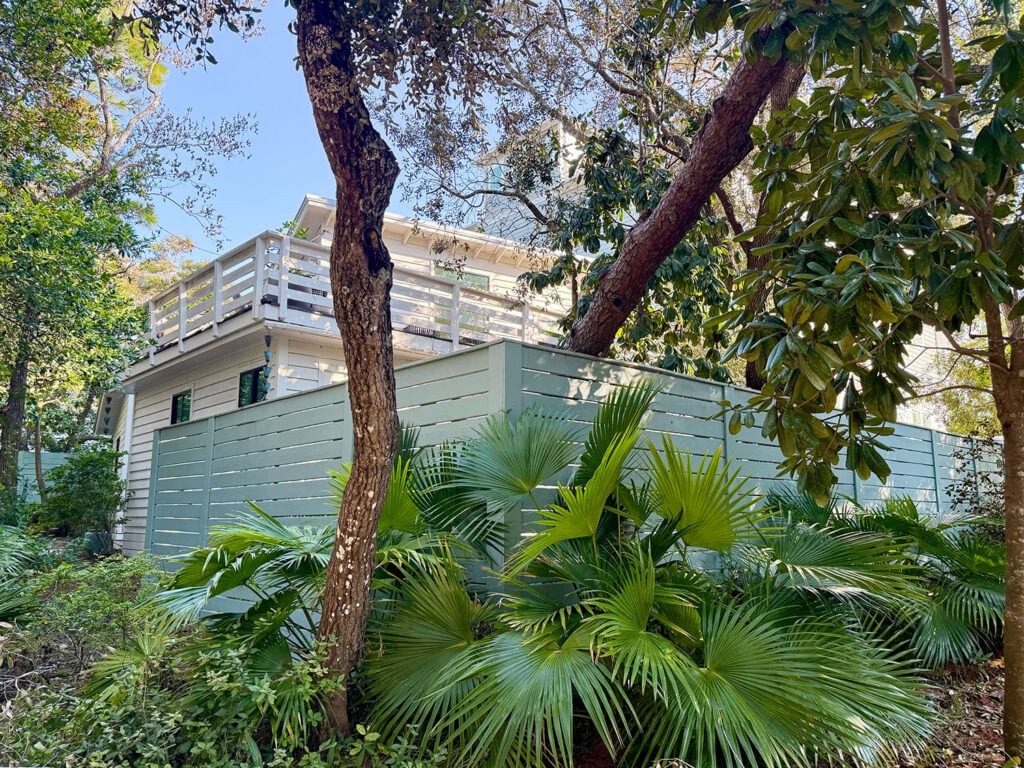
Hurricane Isaias was the first major hurricane to hit our area since we moved here 6.5 years ago. We followed our county’s mandatory evacuation orders and drove many hours away to an unaffected part of Florida (Ocala). As we hunkered down at an Airbnb with our friends, kids, and pets, we watched as the hurricane became a Category 3 and turned towards our area back home. Luckily, our house and most of our neighborhood sustained only minor damage, relatively speaking. A few trees down, a scratch in the painted top piece of our fence (can see the tree leaning on it below?), and a LOT of leaves and sticks to clean up.
Overall, we felt very grateful and very lucky. Also, if you want to know how many times Jennifur meowed in the car during our little road trip, the answer is 15 or so, and then she curled up and slept just like Penny.
But luck wasn’t the only factor. When we moved here, we prioritized making hurricane-ready improvements to our house. Some were big and costly, but others were things we were able to check off in an afternoon. We’ll do a separate post about all of our hurricane prep tips, so this is more about home improvements you might want to consider before next hurricane season rolls around. We also have to acknowledge that all the things on this list are absolutely a privilege to be able to afford and we’re very grateful that over time we could save up and execute these to safeguard our house.
6 Ways We Got Our Home Hurricane-Ready
It bears mentioning that our house is at least 36 years or so old (the county says it was built in 1991 but all of the original windows inexplicably said 1984 when we bought it). And yes, those original windows were all in tact when we bought our house in 2020. Which definitely says something about how homes here just seem to be built for storms – even when those aforementioned windows were single pane. The fact that none of them had been replaced in many decades of hurricanes impressed us. I point this out just to show you that we didn’t think of our house as the straw house from the three little pigs to begin with. It had already demonstrated durability through many decades of hurricanes. So making these further improvements just gave us even more peace of mind, lowered our homeowner’s insurance, and made it less stressful to evacuate during a storm like Isaias.
I’m going to order these from biggest (in terms of scale, cost, and time) to smallest, because we tried to prioritize the most impactful actions first. And that starts with the biggest of all: choosing the house itself!
- Buying a less vulnerable house
- Upgrading to impact-rated doors & windows
- Getting a whole-house generator
- Adding hurricane ties
- Choosing outdoor furniture wisely
- Setting up security cameras
Like I said, some are bigger investments than others, but all felt extremely worthwhile when a storm came barreling our way!
1. Buying A Less Vulnerable House
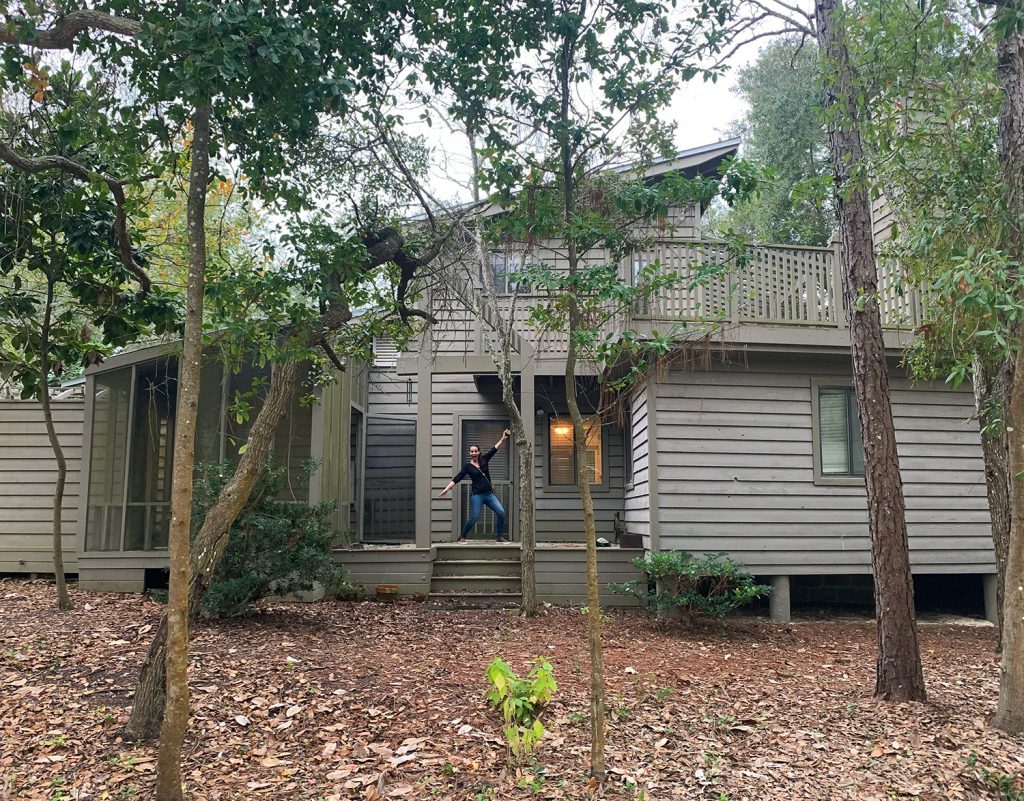
Hurricanes were top of mind for us when hunting for our Florida house (obligatory before photo below). Hurricanes aren’t strictly a Florida phenomenon – think Sandy in New England, Helene in Western NC, and storms like Irene that did a number on our Virginia neighborhood in 2011 (we lost power for something like 2 weeks! Which also happened to me after another hurricane that hit VA when I was in college). All of that is to say that we had experience with hurricanes previous to living in Florida, so when we were researching potential neighborhoods, we definitely considered how they might fare in a bad storm – particularly with storm surge / flooding which often does some of the most damage in a hurricane.
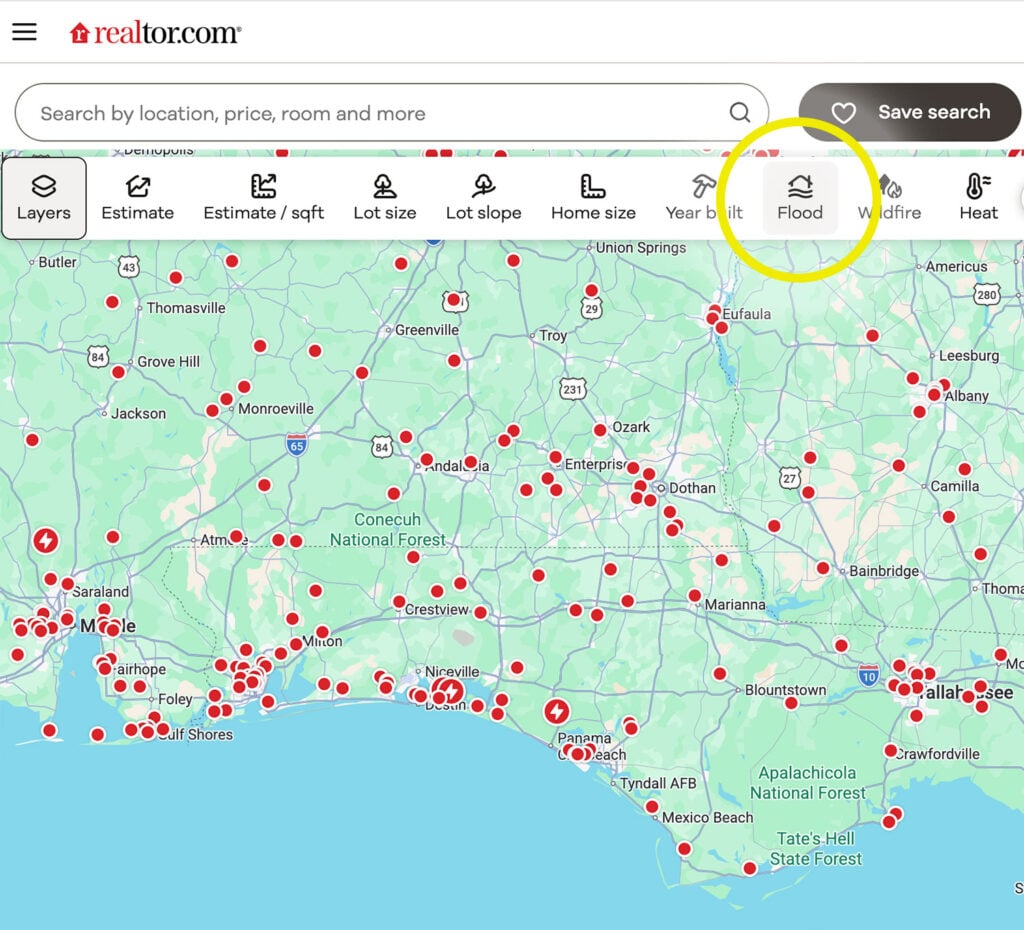
In fact, water is the #1 cause of death in a hurricane, whether from coastal storm surge, overflowing rivers, or heavy rain flooding. So buying in a location that wasn’t prone to flooding has always been a top consideration for us in our house hunts (both in Virginia and when we were house hunting here). Luckily, websites like FEMA and the First Street Foundation make it easy to look up the flood risk of any address. You can also activate map layers on Realtor.com and Zillow that show a property’s risk for flooding, fire, and other environmental hazards.
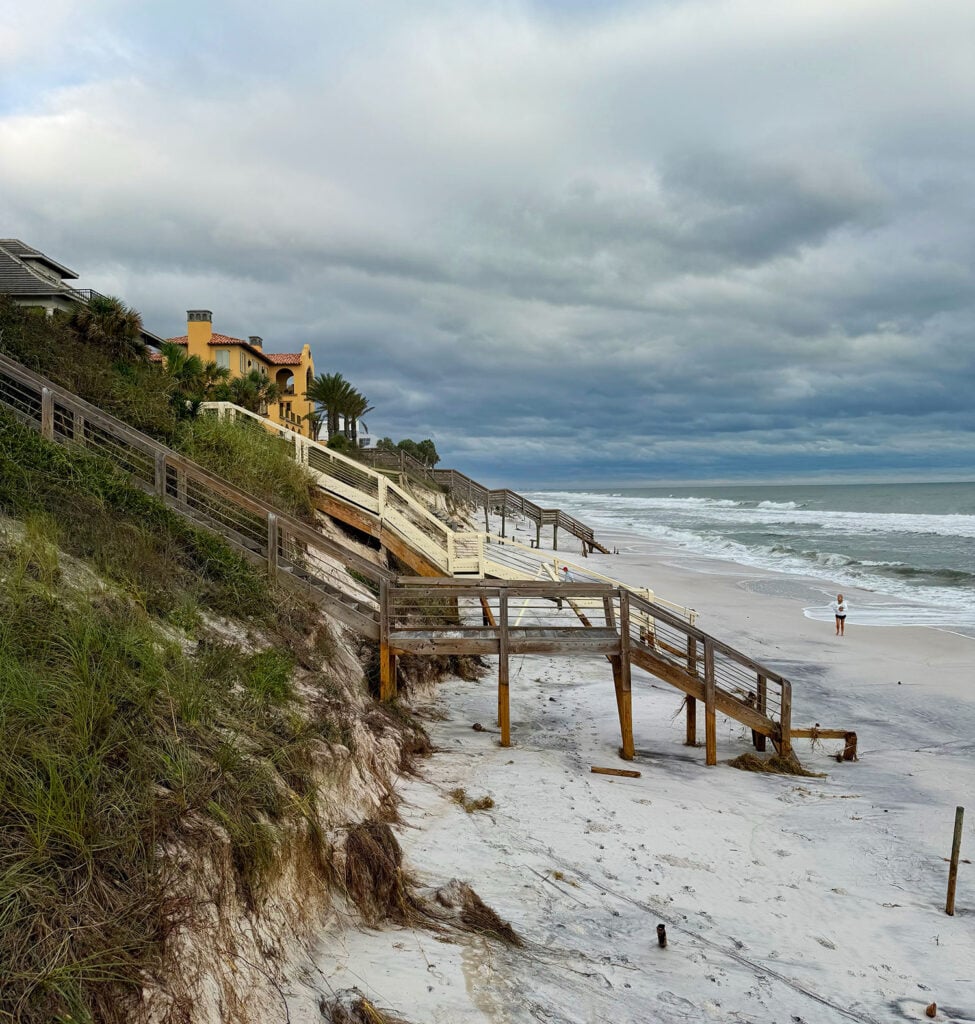
Ultimately, we picked a home with zero flood risk according to these sites. Of course, that’s just a calculation, not a guarantee (and climate change makes everything less certain). But even with our own eyeballs, we could see that our location had some great safeguards. It’s protected by 30-ft high dunes on the beach (seen below after Isaias). And our home is a few blocks away, just beyond the tallest hill in our neighborhood. So our house is at a very high elevation with relation to storm surge. For Hurricane Isaias they warned about 7 feet of storm surge, but it only clocked in at about 5 feet. Once again, this dune is over 30′ high and our house is even more elevated behind an even taller hill in our neighborhood.
But obviously, picking a home involves A LOT of important factors beyond flood risk. And if you’re not planning to move anytime soon, how do you make the most of the home you already have? Well… that takes us to all of the improvements we made after we moved.
2. Upgrading To Impact-Rated Windows & Doors
The biggest hurricane-ready improvement we made to our home was replacing all of our windows and doors with impact-rated ones. These are specially constructed and installed to withstand both high-velocity winds and flying debris. A broken window is bad enough on its own, but getting one during a hurricane also increases the chances your roof will come off because of the wind and sudden pressure change inside the house. So these greatly reduce the risk of that happening during a storm.
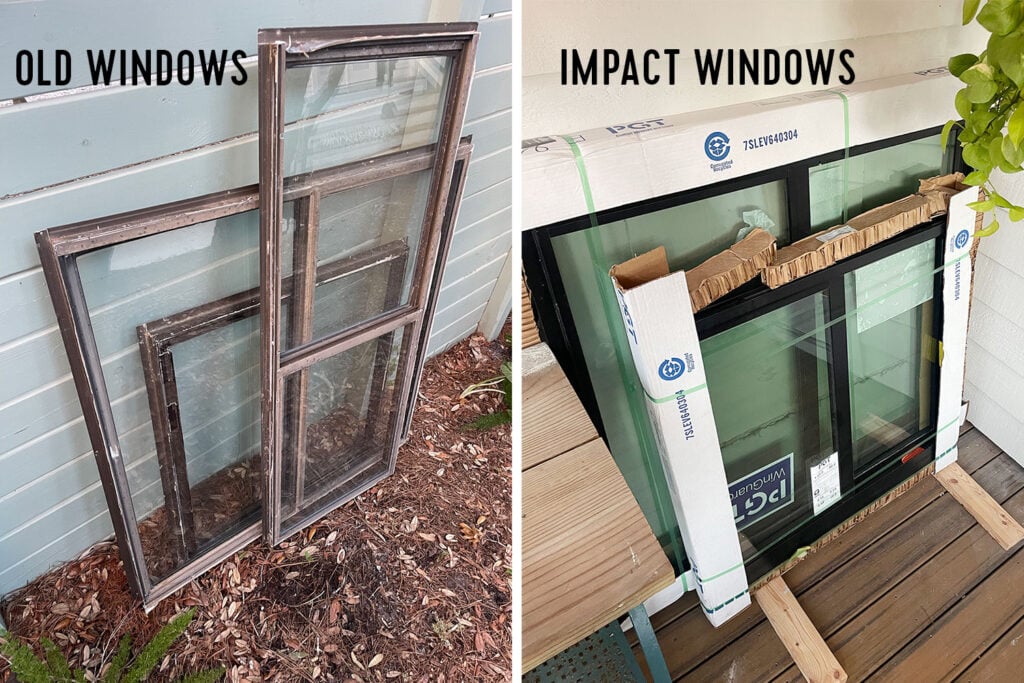
This upgrade was BY FAR the most costly and time-consuming thing we did. Impact-rated windows can cost 2 or 3 times as much as regular windows, and the installation is more involved too. Ours ended up taking nearly 3 months (we ran into other issues, like rot under the siding) and cost tens of thousands of dollars. It was a tough pill to swallow for a result that looks & functions mostly the same as it did when we started, but we knew it was one of the best things we could do to protect our home and all of the meaningful things that we keep within its walls. Of course people and pets get a few day’s notice to evacuate, but our hurricane safe windows and doors make us feel like the art that our kids painted and all of the things we filled this house with have the best chance of being all good for the long haul.
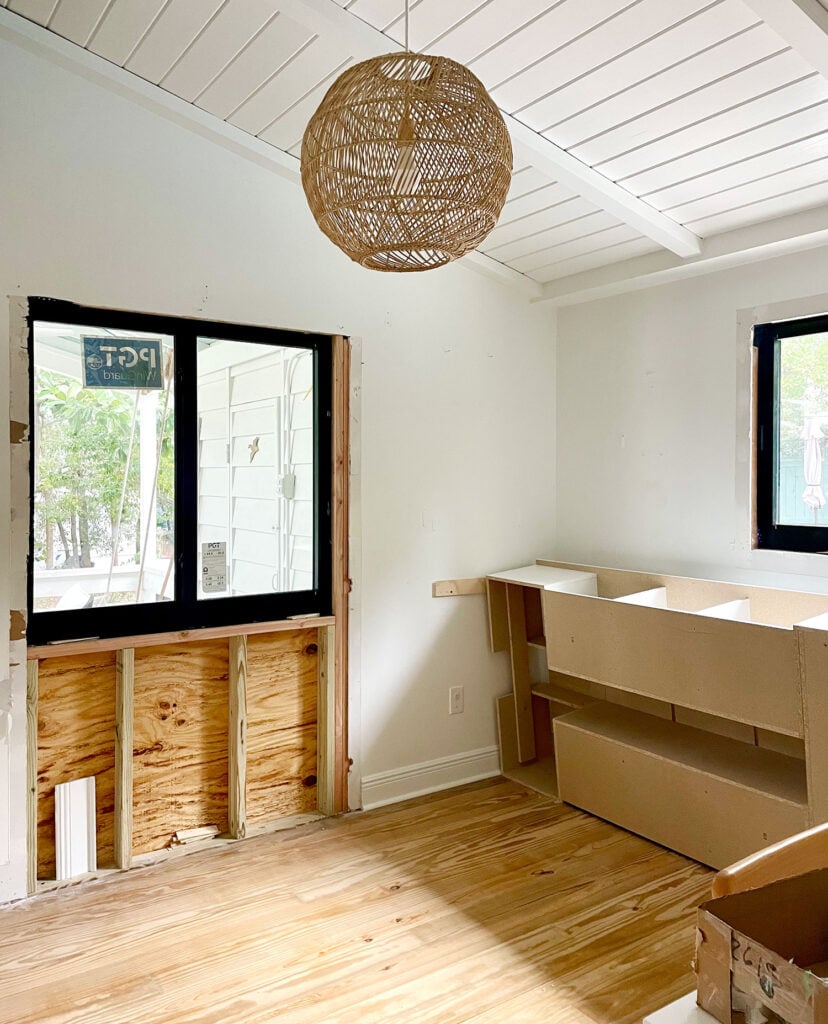
These windows and doors have pretty amazing stats. They’re designed to withstand sustained wind speeds of 150-180+ mph (covering up to Category 5 hurricane conditions). They literally test them by firing giant pieces of lumber at them at a wildly high speed with tons of force (they call it “missile testing”). They can crack if hit extremely hard, but are designed to not breach, meaning water shouldn’t enter the house, even if a tree branch comes flying into the pane. They’re also designed to withstand some insane pressure changes (up to +90 / -130 PSF) which can often come with strong hurricanes.
There are alternatives to replacing your windows (like window shutters, plywood, or even “hurricane fabric“), but we decided they weren’t as ideal for our family of our specific house. Plus we wanted something that protected us year-round without the effort, time, or warning needed for those other methods. We’ve actually had more Tornado Warnings here than hurricane issues, and those don’t often give you enough warning to board up your windows!
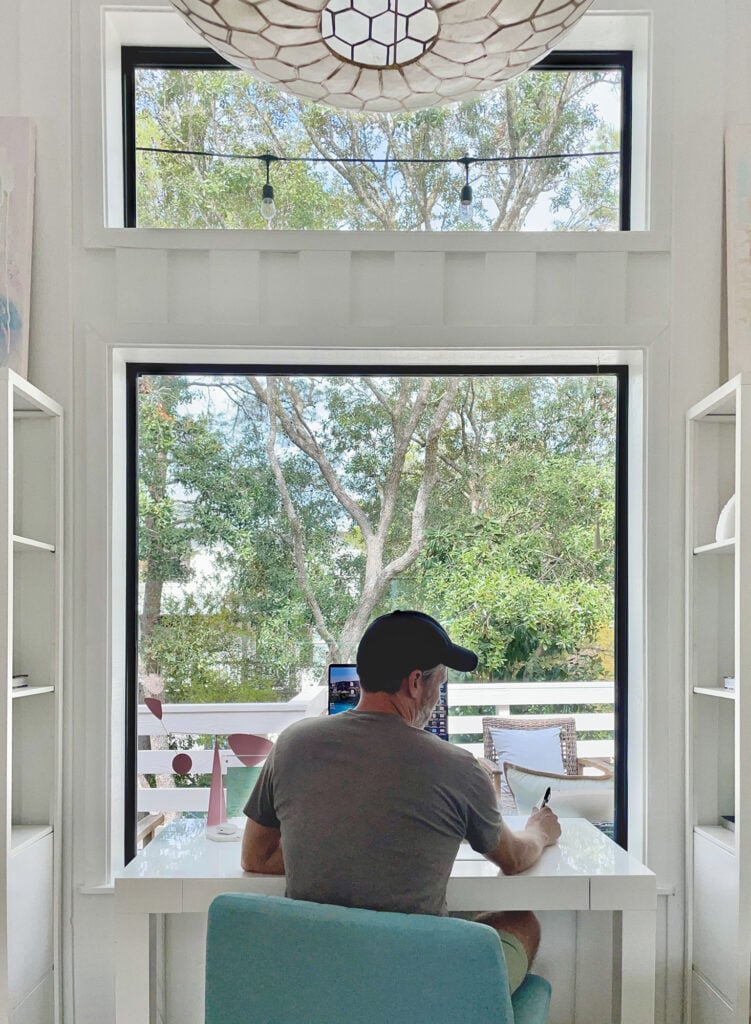
While expensive, upgrading our doors and windows also helped our insurance policy. I won’t say it saved us tons of money, but it did save us about 10% and keep our insurance policy from spiking or getting dropped entirely, which is a real concern these days in Florida.
3. Getting A Whole House Generator
The next most costly upgrade on this list is getting a whole-house generator. After experiencing several multi-day hurricane-related power outages in Virginia, we decided a generator was a must-have in Florida. Prolonged power outages aren’t necessarily “damaging,” but they can be inconvenient (no lights or Internet), uncomfortable (no A/C or hot water), and even costly (lost food, flooring damage from the fridge melting out onto the floor, etc).
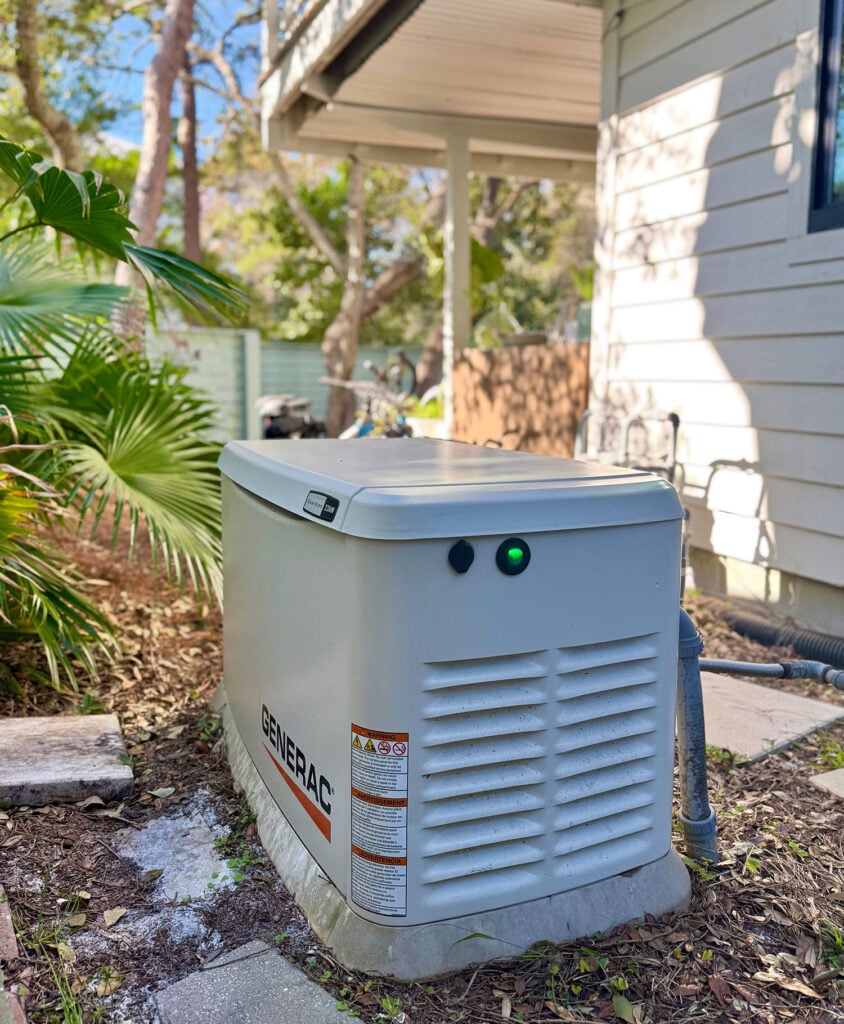
We opted to have a whole-house Generac generator professionally installed versus buying a portable one from the store. Yes, it was much more expensive (about $8K installed), but it had some big long-term advantages to us:
- It’s automatic: When power goes out – even briefly during a normal thunderstorm – it automatically clicks on right away. It also switches back over to the utility power automatically when electricity is restored.
- There’s no setup: Since it’s permanently installed and hardwired to our main breaker, we don’t have to mess with wires, plugs, gasoline, or other fuel lines. We also don’t have to lug some big piece of equipment out of our (non-existent) garage.
- It’s constantly fueled: It’s hooked up to our natural gas utility line, so we don’t need to worry about refilling gas or propane tanks before a storm comes. It wouldn’t work if the hurricane takes out our gas line, but that’s low risk since it’s buried very deeply underground.
- There’s no decision-making: Since we picked a generator large enough to power our whole house, we don’t have to prioritize what gets power and what doesn’t. Portable generators may only power a couple of appliances (like the fridge) or require fuel rationing, which might be hard to do during extended outages. It even keeps the pool running so it won’t get all green, which can happen during periods of extended power outtage since it can’t filter itself.
- It’s safer: Sadly, one of the main causes of death after a hurricane is carbon monoxide poisoning due to improper generator use. Ours is outside, and since we barely* have to interact with it, there’s very few ways we could mess it up.
*Generac recommends turning it off to cool for 30 minutes after 24 hours of use, so we did go outside and press a couple of buttons each day after we returned from our evacuation until the power was restored.
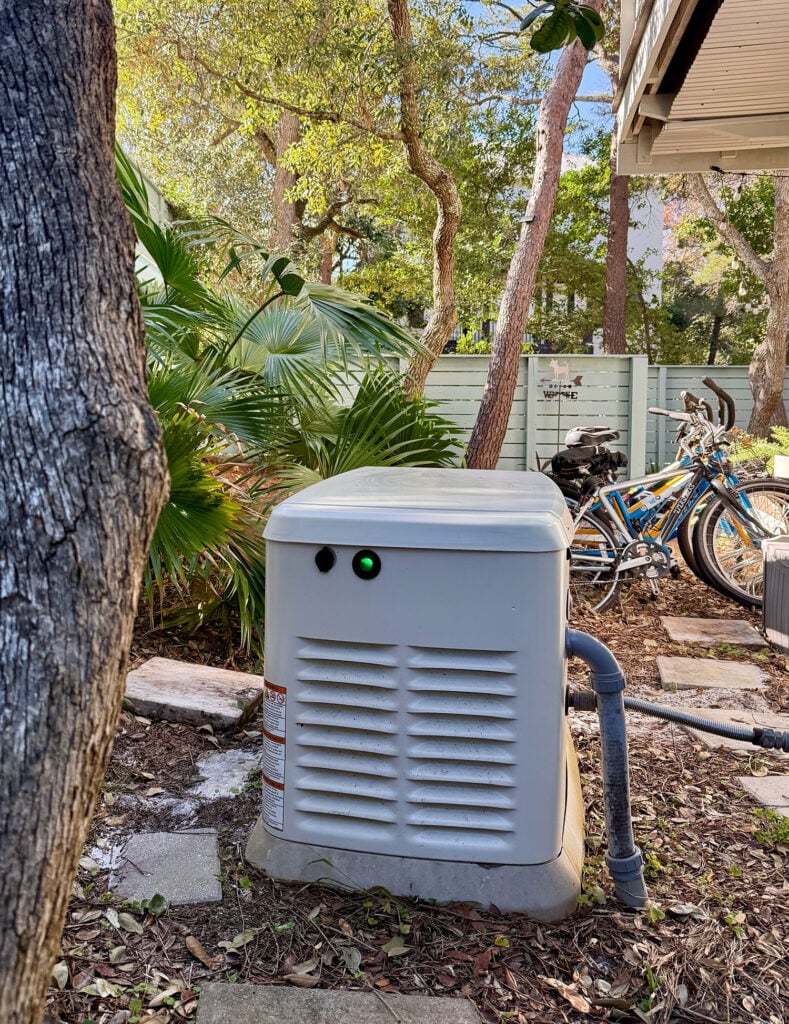
All that said, I’ll be honest: our generator has been kind of a headache over the years. We had some issues with improper installation, challenges with the annual maintenance company, and some hiccups reconnecting it during our recent renovation. So if you’d asked me a month ago, I’d have given you a lukewarm review. But now? After 4 days without power from Hurricane Isaias? I’ll sing its praises ALL DAY. Not only did we keep some normalcy in our house during an otherwise stressful time, we became a place for friends and neighbors to come and charge their phones, get on our Wi-Fi, and enjoy some A/C.
4. Adding Hurricane Ties
Hurricane ties (also called hurricane clips or straps) are metal connectors that essentially lock your roof to your walls, making it harder for high winds to rip off your roof. I know, that sounds scary, right? Maybe it’ll be helpful to know that it’s usually an issue with much stronger hurricanes than we’ve had in the last 6.5 years here – so that’s not common at all. In fact there’s zero evidence that our house has ever lost its roof in 36 years of being here. And our neighbors who lived here for 70 years have never even had a broken window, let alone any roof issues. But back to hurricane ties: they became standard building code in Florida in 2002, but older homes (like ours) can be pretty easily retrofitted with them. We paid a local contractor about $900 to install ours to ensure that they met code. And then they were inspected in order to lower our homeowner’s insurance. Very worth it! Highly recommend.
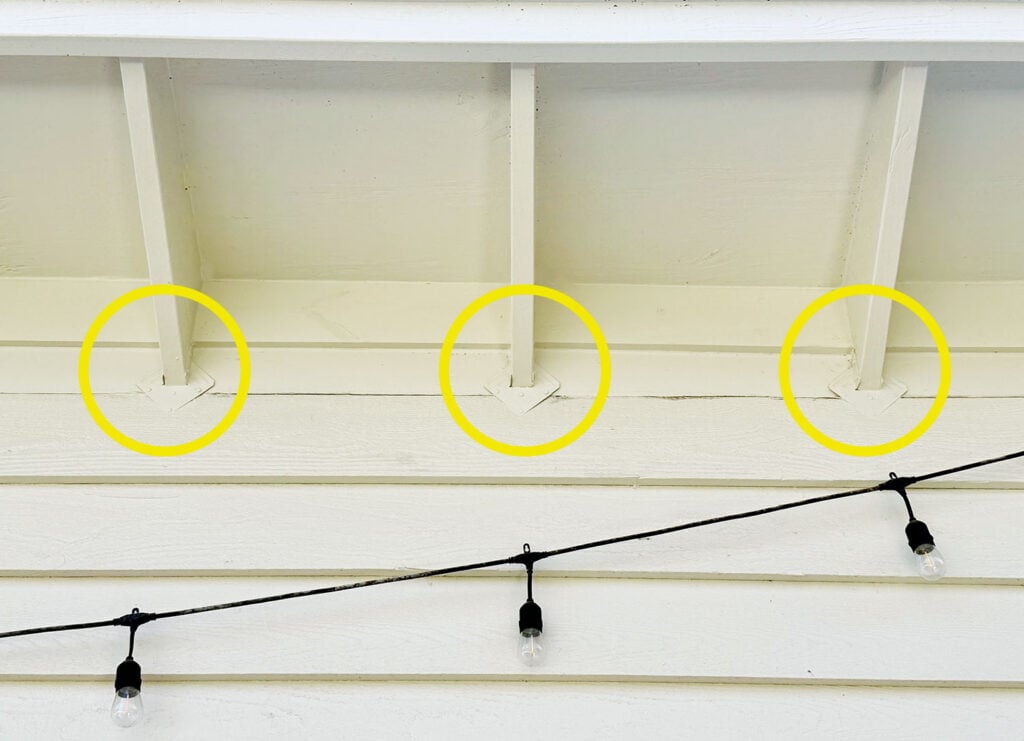
We don’t have attic space under most of our roof, so some of the added ties are visible on the exterior under our roofline (seen above, painted). But when we had the siding redone on a portion of our home during our our recent renovation, they were able to install them to be hidden. Here’s a pic of them before the siding went up.
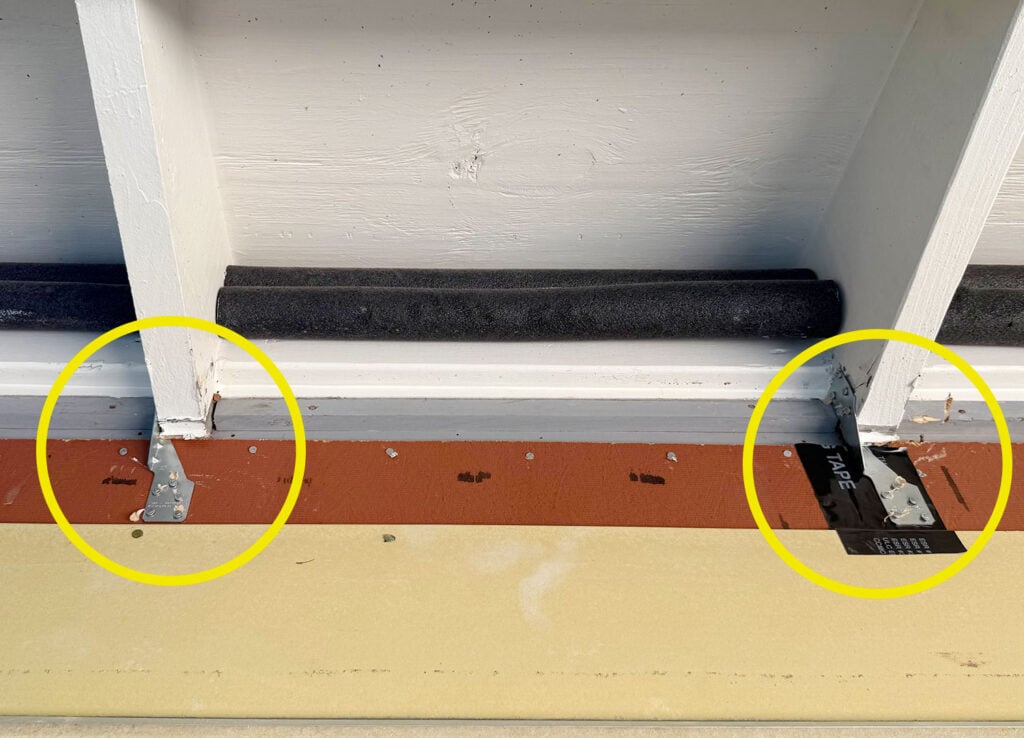
We added the hurricane ties around the same time we got new windows & doors. That’s because our insurance required us to submit an updated Wind Mitigation Report to get credit for the windows. As I mentioned, this requires a special inspection, so before paying for that, we asked the inspector for tips on other things we could do to improve our report. He suggested these straps and even pointed us to a qualified handyman who could install them.
We’re planning to have the rest of our siding replaced in the coming months, so we’ll be able to get those hidden hurricane straps everywhere soon!
5. Choosing Outdoor Furniture Wisely
We’ve also considered hurricane prep when choosing some of our outdoor furniture. Outdoor items can become dangerous flying objects in high winds, so before any big storm, we move and/or secure all of our outdoor furniture. BUT, since we don’t have a garage or big shed to store them in, we’ve prioritized furniture that folds, stacks, or otherwise is easy to arrange to be a compact and secure grouping in a corner of the fence that shelters it from a lot of the higher wind gusts.
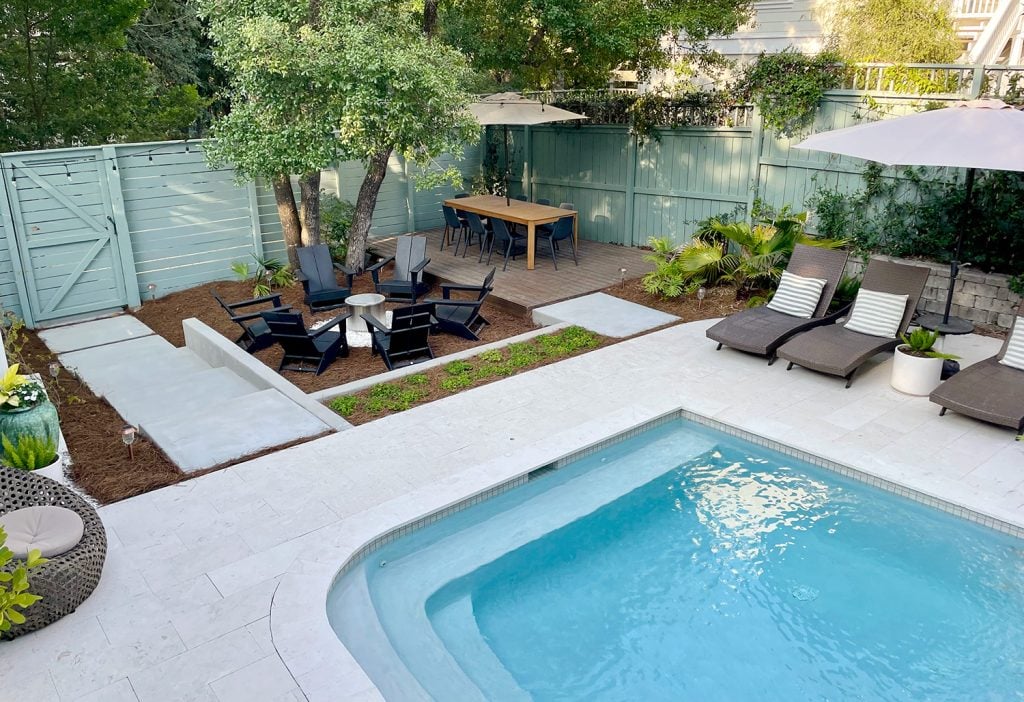
For example, we picked stacking outdoor dining chairs (similar linked) for the table above and on our upstairs deck. Also, these wicker lounge chairs by the pool collapse to be virtually flat. See them leaned up atop the upside-down table below? These features make it easy to condense everything into one, heavy mass that’s less likely to blow around. I’m also a big fan of bungee cords to hold things together so they’re locked in place.
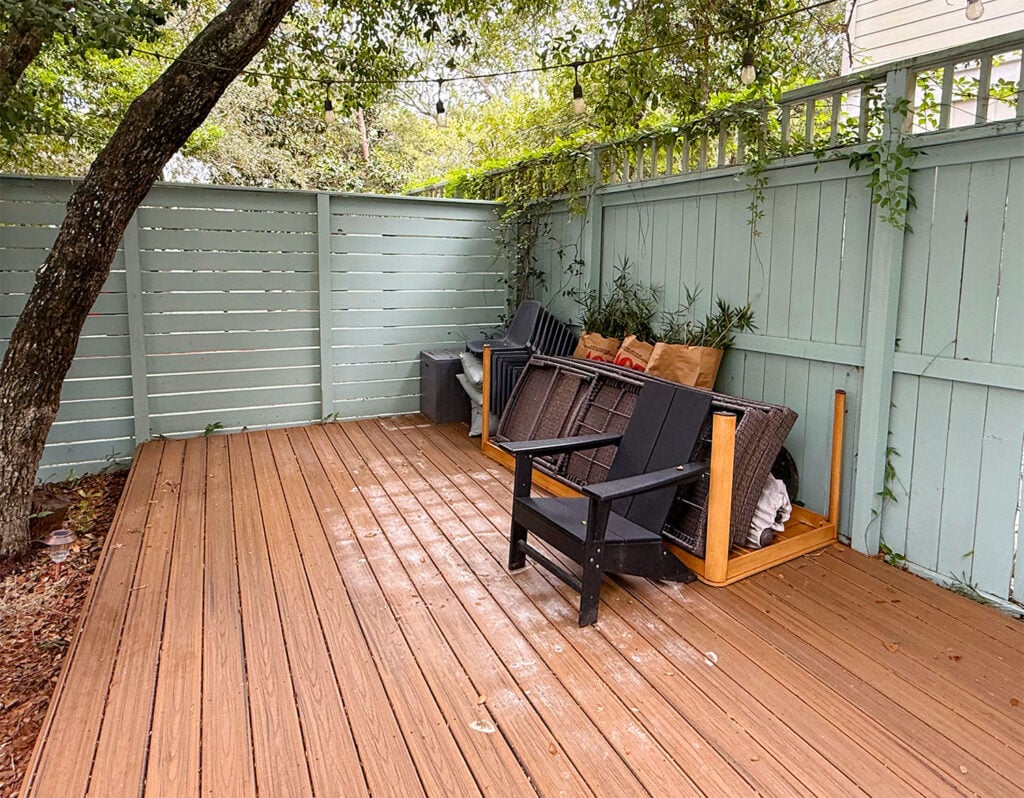
Basically, whenever we buy outdoor items, we make sure we have a plan for what will happen to them in a hurricane.
6. Setting Up Security Cameras
Hurricane Isaias was the first time we’ve had to evacuate for a storm, so it was helpful to have ways to keep an eye on things from afar. We added Ring cameras years ago for general security and monitoring purposes, but they were a big sanity-saver during Isaias. Being able to keep watch for damage, debris, and general storm progress made leaving a lot easier. And thanks to our generator, they all stayed connected the whole time (thanks generator)!
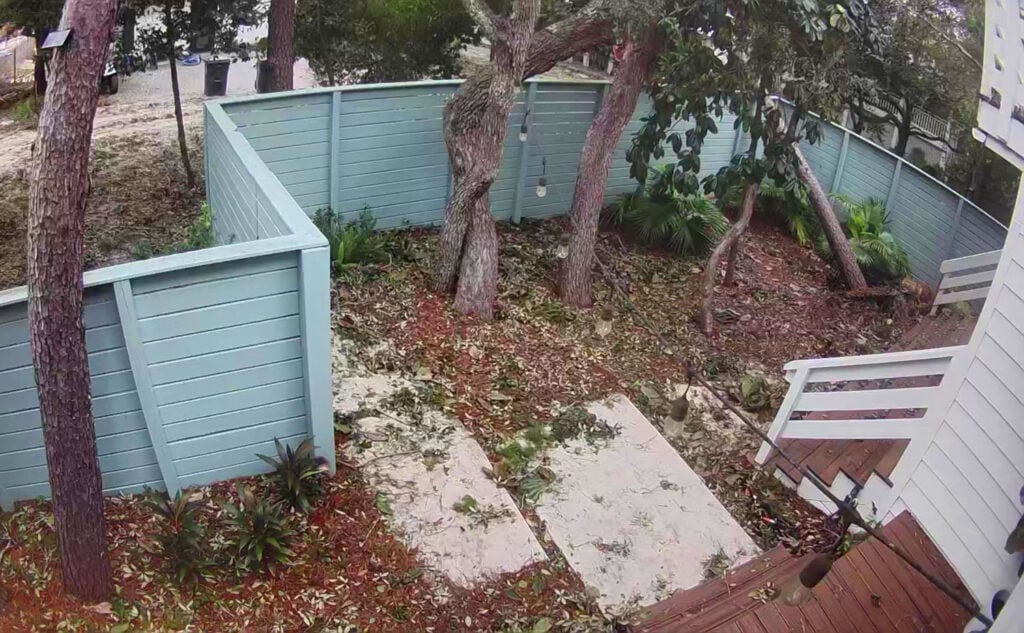
We luckily didn’t experience any damage during Isaias – apart from a scratched fence board from the fallen tree shown above. And knowing that, thanks to these cameras (and reports from helpful neighbors) made the drive back after the storm much less stressful. Thank goodness for no bad surprises waiting for us at home.
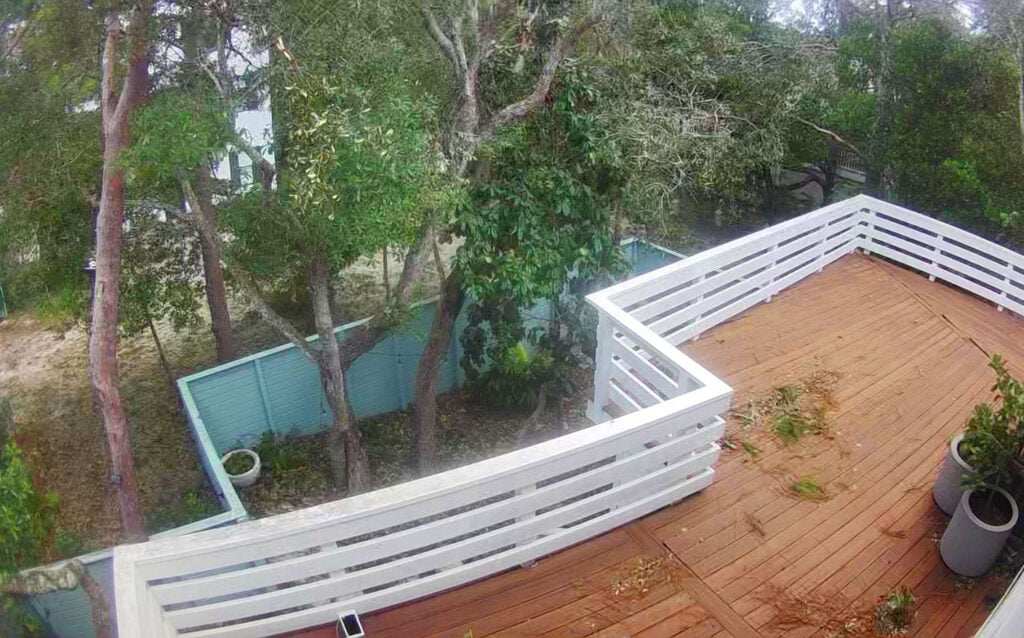
Beyond cameras, some other smart devices came in handy too. We knew our leak sensors under sinks and major appliances would alert us to issues like a thawing fridge. And our windows & door alarms confirmed that they didn’t blow open. Even our generator has an app that tells us if it’s operating correctly, which was really nice to know.
Sure, none of these things actively prevent hurricane damage, but they gave us much-needed peace of mind during our evacuation. Also, three cheers for our fence, which turned out to be ridiculously strong. Imagine how much that giant pine weighted?! And it leaned against it for days before a pro could come get it off for us.
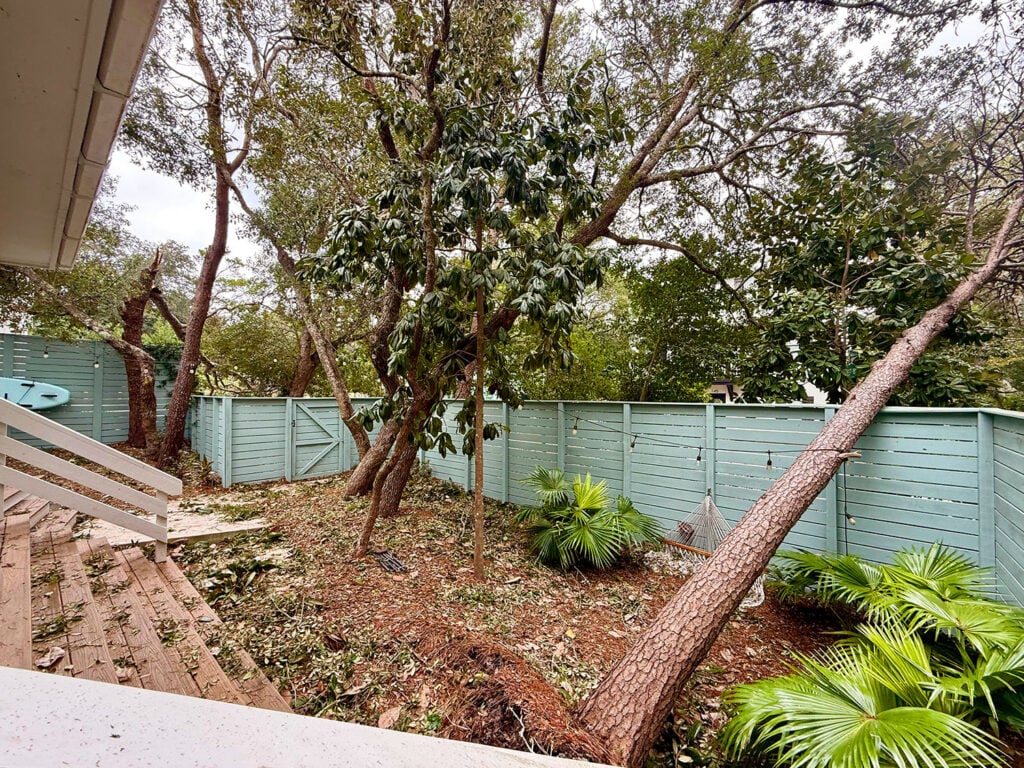
Like we said at the start, some of these hurricane-readiness improvements were bigger & much more costly than others. That’s one reason we’ve added them over time, as budget has allowed. Thankfully, Mother Nature was patient with us, and our area didn’t get hit with any major storms in that time. And now we feel as ready as we can be for future storms – and are hopeful even more advancements over time will pop up, and maybe we can add those on too.
What we know for sure is that the things listed in this post made it easier, faster, and less nerve-racking for us to evacuate when we were told to. And we’re very thankful that it was a no-brainer to prioritize the safety of people & pets and evacuate without a second thought, because we’d already done a lot to protect our home. It made driving away a little easier – and coming home a lot sweeter.
*This post contains affiliate links, so we may earn a small commission when you make a purchase through links on our site at no additional cost to you.
